
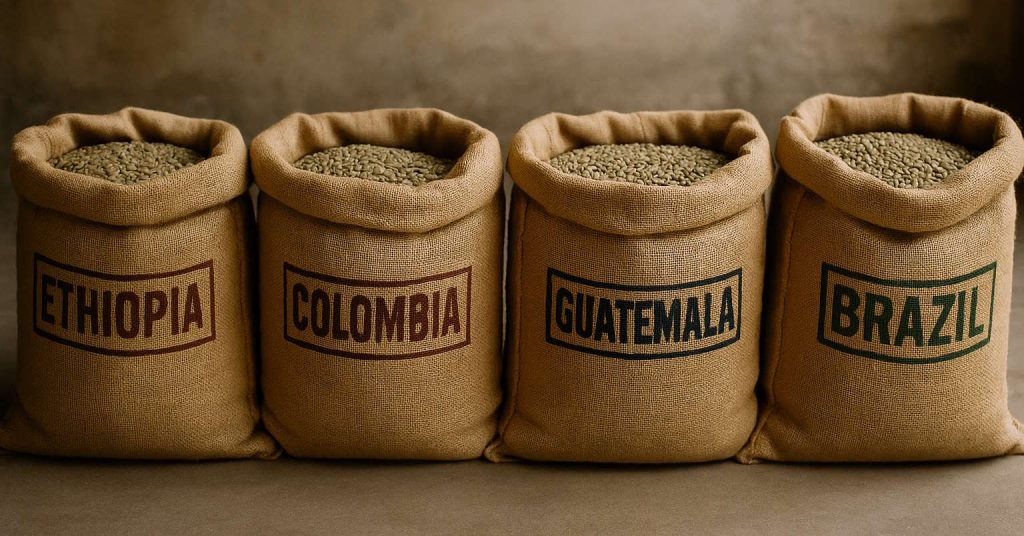
What Single-Origin Coffee Really Means (And Why It Matters)
If you’ve spent any time browsing specialty coffee, you’ve probably come across the term “single-origin.” It shows up on bags, café menus, and roaster websites — often alongside exotic names like Yirgacheffe, Huehuetenango, or Sidamo. But what does “single-origin” coffee actually mean, and why do so many coffee lovers seek it out?
What Is Single-Origin Coffee?
Simply put, single-origin coffee comes from one distinct location. This can be as broad as a country or as specific as a single farm or even a small lot on a farm. That’s in contrast to blended coffee, which mixes beans from multiple places to create a consistent flavor profile.
For example, a single-origin Ethiopian coffee might come from a co-op in the Sidamo region, while a blend might mix beans from Ethiopia, Colombia, and Brazil.
Why It Matters
- Unique Flavor Profiles: Like wine, coffee flavor is deeply influenced by geography, climate, soil, and altitude — often referred to as “terroir.” Single-origin beans showcase these regional characteristics in a way blends cannot.
- Traceability: With single-origin coffee, you often know exactly where the beans came from. This can increase transparency and confidence in ethical sourcing practices.
- Seasonality: Many single-origin coffees are sold as “micro-lots” or seasonal releases, offering fresh, limited-time flavors — perfect for adventurous coffee drinkers.
How Single-Origin Compares to Blends
| Single-Origin | Blends |
|---|---|
| Comes from one location (farm, region, country) | Mix of beans from multiple locations |
| Distinct, sometimes complex flavors | Balanced, consistent flavor year-round |
| Often seasonal or limited | Available year-round |
| Ideal for black coffee lovers and tasting | Often suited for milk-based drinks |
Who Should Try Single-Origin Coffee?
If you’re looking to explore new flavors, appreciate terroir, or trace your coffee back to its source, single-origin coffee is for you. It’s especially great for brewing methods like:
- Pour-over (e.g. V60, Chemex)
- Aeropress
- French press
- Cold brew (for light floral notes)
Where to Buy Single-Origin Coffee
Many independent roasters in the U.S. and Canada offer exceptional single-origin beans — often sourced directly from farms or cooperatives around the world. While we don’t list them all individually here, our full directories can help you discover roasters by region.
👉 Browse U.S. Coffee Roasters by State
👉 Browse Canadian Coffee Roasters by Province
Note: Many roasters include single-origin options on their websites or product pages — explore and see what you find!
Tips for Enjoying Single-Origin Coffee
- Buy whole bean and grind just before brewing
- Use filtered water and precise measurements
- Experiment with different brew methods to highlight unique flavors
- Try a cupping session at home to compare origins
Final Thoughts
Single-origin coffee offers a window into the world’s diverse growing regions. Whether you’re tasting citrusy Ethiopian beans or chocolaty Guatemalan ones, each cup tells a story. So next time you buy coffee, go beyond the roast and pay attention to the origin — your taste buds will thank you.
Start your single-origin journey today with our curated list of roasters who roast and ship directly from origin-focused beans.
🔎 Explore Our Full Coffee Roaster Directory